
 By George Thompson
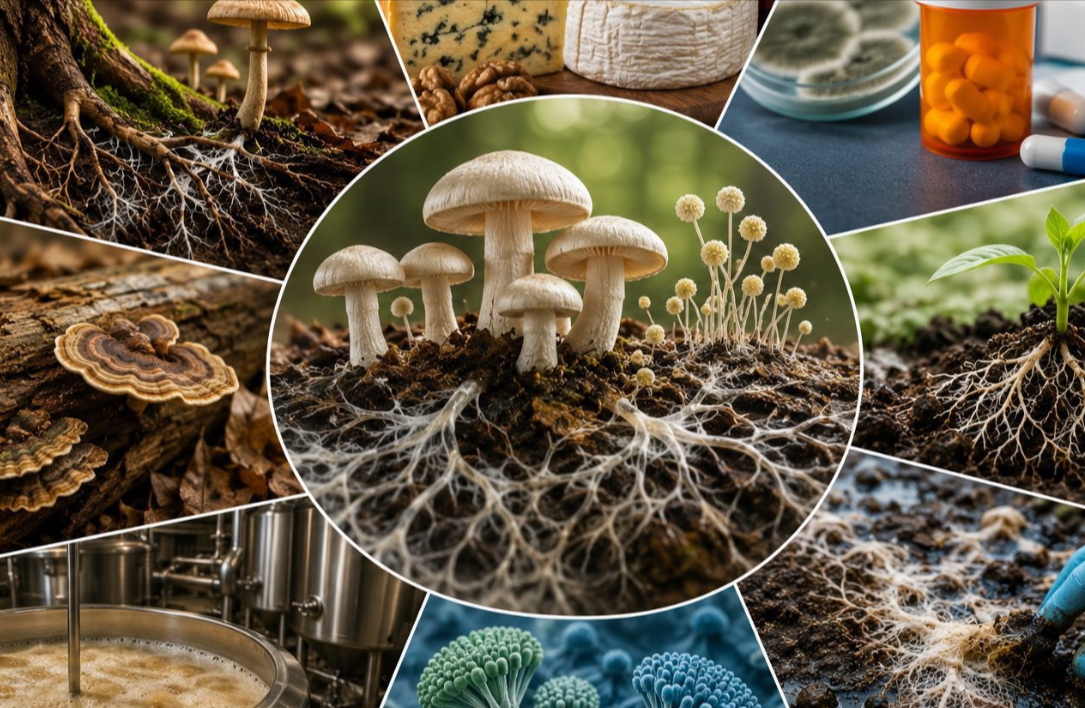
Fungi has a weird history in the general public’s mind as it’s usually linked to rotten food, plant growth or poisonous mushrooms. But scientists are discovering much more about these organisms and their impact on our everyday lives. With the introduction of new findings, humans are starting to conceive that fungi have a key role to play in ecosystems, food production, medicine, and environmental solutions.
This increasing awareness is also influencing their community use of fungi. For instance, if a person is looking for a mushroom delivery Victoria, they can find fresh mushrooms from reliable stores. But if they learn mushroom farming, they can discover how mushrooms fit into sustainable food systems. Here is how public understanding of fungi is evolving through scientific research:
1. Research is Changing Old Assumptions
Until now, fungi were only known by looking for their visible forms. It has been discovered that the body of the mushroom is part of a large, extended organism whose crown can enlarge and spread out via a network of tiny threads (hyphae). The threads are called mycelium and can grow in soil, in wood or in other things.
Research is also underway into the relationship between fungi and plant roots and the way they help the ecosystems to operate. Some fungi are symbiotic with plants, allowing them to get more water and nutrients, and in turn providing the plants with sugars created by photosynthesis. The results provide some insights into the importance of healthy fungal communities for the quality of soils, plant growth and biodiversity.
2. Fungi Are Gaining Attention in Medicine and Industry
Scientific breakthroughs have also spurred the wider public’s interest in the practical applications of fungi. Antibiotics, discovered thanks to a mould, penicillin, changed the lives of many people who suffered from illnesses like syphilis and pneumococcal pneumonia and encouraged fungi to be used as a significant source of medication.
In addition to medicine, fungi are also gaining interest as a material for new products. Scientists and companies are investigating how mycelium can be used for packaging, insulation or ‘mycel leather ‘, which could potentially be alternatives to some of the traditional materials used in these applications. The value of their environment will be determined by their production, durability, processing and disposal.
3. Better Communication Builds Lasting Understanding
As the science progresses, scientists have to tidy up messes and provide explanations, or else overclaim their understanding of the events. The best way to communicate to the public is to explain what we know, what we don’t, and how our ideas could impact someone’s everyday life. This will help create trust and provide readers with the information they need to make decisions.
In the future, scientific research will transform mushrooms from the ‘back of the barn’ into popular topics of discussion. Their interdependencies in the environment, potential medical benefits, and industrial uses are bringing them greater recognition for their value. Education and research on fungi, as they continue to evolve, will help to make better decisions regarding food, health and the environment.
 Lorenzo Billie
 james