
 By George Thompson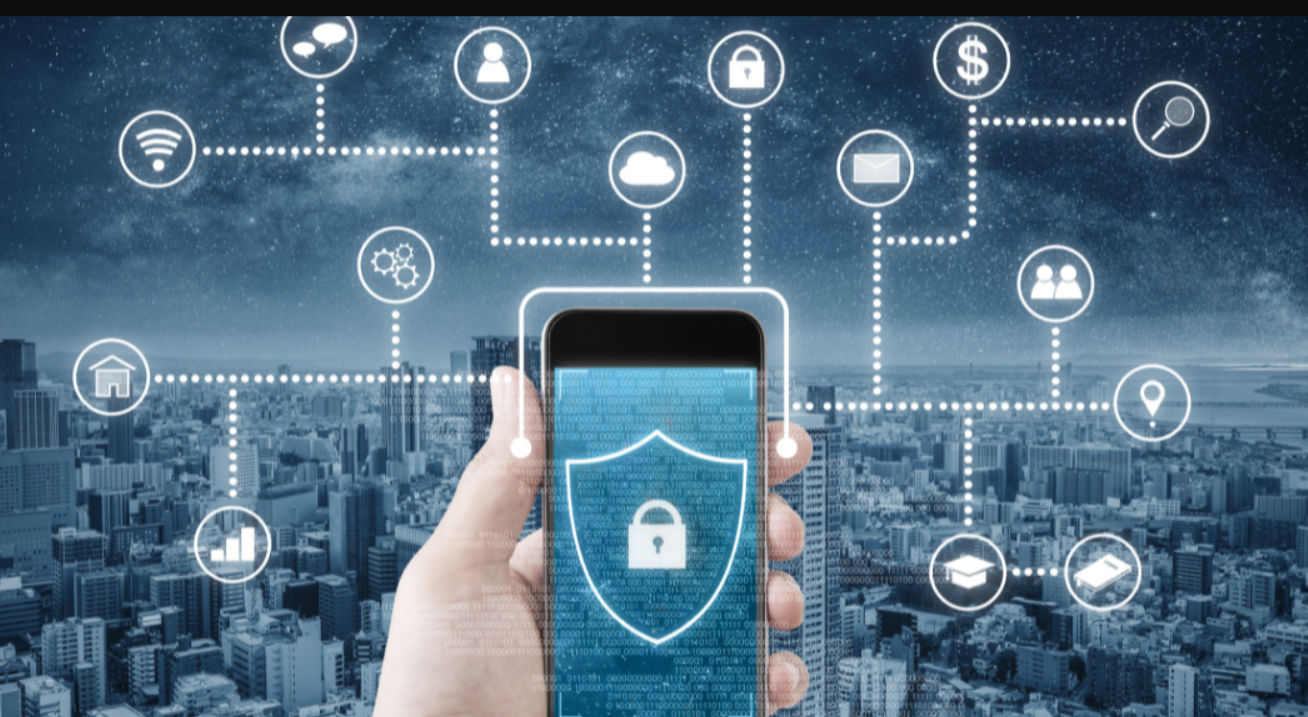
Mobile devices are no longer accessories; they are digital lifelines. From personal communication to financial transactions, professional collaboration to entertainment, our smartphones and tablets control almost every part of daily life. But this convenience also brings risk. As mobile usage explodes globally, cyber threats have evolved specifically to target handheld devices. This makes mobile threat defense essential for both individuals and organizations trying to stay secure in today’s hyper-connected world.
Understanding Mobile Threats: Why Protection Is No Longer Optional
Earlier, cybercriminals focused primarily on computers and corporate servers. Today, attacks are increasingly mobile-centric. Hackers closely track how users behave, how businesses rely on remote access, and how confidential data is stored on pocket-sized devices. The result, Threats like malicious apps, sophisticated phishing, spyware, network traps, ransomware, and silent data theft.
Mobile threats come from multiple directions:
- Malware and malicious apps disguised as games, tools, or productivity enhancers
- Phishing links and messages cleverly designed to trick users
- Fake Wi-Fi networks created to intercept data
- Zero-day vulnerabilities that exploit unknown flaws
- Unauthorized data access through poorly governed apps
Why Mobile Threat Detection Matters More Today
The rise of remote work, Bring Your Own Device (BYOD) models, and cloud-based collaboration has transformed the workplace. Employees now access company files, emails, payment systems, health information, and confidential records on personal devices. This convenience, however, widens the attack surface. Many cybercriminals find mobile devices easier to exploit than tightly secured enterprise infrastructures.
Additionally, compliance frameworks and industry regulations demand strong mobile data protection. Healthcare institutions must safeguard patient records, financial institutions must protect transaction data, and organizations handling personal information must meet strict privacy laws. Effective mobile threat detection helps:
- Protect sensitive information
- Maintain data integrity
- Prevent unauthorized access
- Support regulatory compliance
- Preserve user privacy
- Strengthen overall security posture
Core Capabilities of Strong Mobile Threat Protection
Modern mobile security isn’t just about antivirus scanning. Instead, it involves a multi-layered, intelligent, and proactive security architecture. Effective protection ensures:
1. Real-Time Threat Monitoring
Threats today don’t wait, and neither should protection. Advanced systems constantly scan for harmful behaviors, malicious downloads, suspicious links, abnormal actions, and policy violations. If something dangerous appears, it is immediately blocked or quarantined while notifying the user or security administrators.
2. Behavioral and Anomaly Detection
Instead of relying only on known threat databases, modern mobile security observes how devices behave. If a device suddenly sends unusual amounts of data, an app requests unnecessary permissions, or unknown processes begin running, these deviations are flagged. This technique is extremely useful in detecting stealthy or emerging threats.
3. Data Protection and Privacy Security
Sensitive data stored on or accessed through mobile devices must remain secure. Encryption, access controls, app permission governance, and secure environments help prevent unauthorized access. If an app attempts to peek into personal contacts or corporate files unnecessarily, robust systems block it instantly.
4. Threat Intelligence Integration
Mobile security solutions today stay ahead of cybercriminals by continuously updating intelligence databases. They track global attack patterns, identify emerging malware families, detect new phishing formats, and incorporate security research insights. This ensures users are protected not only from known attacks but also from evolving threats.
5. Vulnerability Identification
Unpatched operating systems, outdated apps, weak settings, and insecure configurations create easy entry points for attackers. Strong protection continuously checks for loopholes, highlighting weak spots before criminals can exploit them.
6. Risk Assessment and Device Health Visibility
Security is about awareness as much as it is about defense. Businesses benefit from dashboards showing device risk levels, compliance status, and active threats. This visibility helps prioritize action and reduce exposure time.
7. Intrusion Prevention
Real-time monitoring of device interactions and network communications helps stop unauthorized access attempts. Whether attackers try to break in through unsafe Wi-Fi, hidden backdoors, or malicious communications, intrusion prevention systems act as gatekeepers.
How Mobile Threat Protection Actually Works
Mobile security typically operates across three core layers:
Network Layer
This ensures safe communication when devices connect to Wi-Fi, mobile data, or corporate environments. It monitors network packets, identifies suspicious activities, prevents data interception tactics like man-in-the-middle attacks, and encrypts information especially on public or unsecured networks.
Application Layer
Here, the focus is on ensuring apps behave ethically and securely. Applications are analyzed for hidden code, unethical data collection, malicious intentions, risky permissions, or suspicious background activities. Harmful or privacy-violating actions are blocked before they can execute.
Device Layer
This level examines the device’s health whether the OS is outdated, rooted, jailbroken, or misconfigured. It also evaluates USB connections, external threats, and harmful modifications that weaken built-in protections.
Challenges in Implementing Mobile Threat Protection
While mobile threat security is powerful, organizations often face certain hurdles:
- Wide variety of devices, operating systems, and versions
- Balancing security with smooth user experience
- Minimizing false alerts and unnecessary disruptions
- Managing privacy expectations
- Ensuring performance efficiency
- Integrating with existing IT infrastructure
- Cost considerations and resource planning
Benefits of Strong Mobile Threat Security
Businesses and individuals adopting comprehensive protection systems enjoy:
- Stronger overall cybersecurity posture
- Increased trust among customers and partners
- Reduced likelihood of breaches and financial loss
- Better compliance with industry regulations
- Faster incident response capability
- Safer BYOD implementation
- More control, visibility, and peace of mind
Best Practices for Secure Mobile Environments
To build strong mobile protection, it helps to:
- Keep devices regularly updated
- Run periodic security audits
- Establish clear mobile security policies
- Educate users about phishing and unsafe links
- Restrict app permissions wisely
- Monitor behaviors instead of relying only on signature-based detection
- Integrate mobile protection with wider IT security strategies
Conclusion
The world’s dependence on handheld technology is only going to grow, and with it, cybercriminals will continue targeting mobile environments. Protecting devices is no longer about convenience; it is about safeguarding identity, privacy, corporate integrity, and digital trust. A well-structured approach to detection, prevention, awareness, and governance forms the foundation of a secure mobile ecosystem making mobile threat defense an essential pillar of modern cybersecurity.
While exploring mobile security concepts, I came across Doverunner, and what stands out is how thoughtfully they focus on security innovation and practical digital protection strategies. Their approach reflects an understanding of real-world challenges rather than just theoretical solutions, which makes them an interesting name to keep in mind in the broader cybersecurity conversation.
 james
james